
"Ethiopian highlands"
900 article(s) found

Introduction to where the Ethiopian Coffee Sidamo Chiso is produced
Where does Ethiopia's Sidamasha Chiso Coffee come from? Ethiopia grows coffee in different climatic zones, so it has more than 140 farm varieties, and fresh coffee is produced all the year round. The quality of Ethiopian coffee varies according to different elevations and regional ecological environment. Harar coffee in the southeast highlands is a typical Muha coffee with a rich flavor.

Introduction to the characteristics of coffee flavor description and grinding degree in Shaqiso producing area of Ethiopia
Ethiopia has unique natural conditions suitable for growing all imaginable varieties of coffee. As a highland crop, Ethiopian coffee beans are mainly grown in areas between 1, 100 and 2300 meters above sea level, roughly distributed in southern Ethiopia. Deep soil, well drained soil, weakly acidic soil, laterite and soil are soft and contain

Coffee beans in the highlands of southern and western Ethiopia
Growing in the western highlands of southern Ethiopia (the border of Shewa and Sidmo provinces), east of Jima, north of Sidamo, most Europeans and Americans prefer 3600-6200 feet above sea level, most of them are washed with water, their annual output is about 110000bags/60kg, most of the beans are round (15/16scr), the color is green and bluish, the export is mostly G2 grade, the taste is similar to Yegashev, but the viscosity is simple.

Boutique Ethiopian Yega Chuefei Coffee introduces Yega Snow in the Eastern Highlands of Gediyo
General coffee varieties are named after their origin, while boutique coffee is more accurate in traceability. The name of this coffee can be explained as: this coffee is grown in Ethiopia, Yega, where it is grown, washed in Kochel's processing plant, and graded as first-grade coffee beans (hand-picked, very few defective beans). In addition: even if it is made here, there is no Yejiaxue.

Introduction to the unique flavor and taste characteristics of Ethiopian coffee manor
A large amount of coffee production (95%) is done by small shareholders, with an average yield of 561 kg per hectare. For centuries, minority holders of Ethiopian coffee farms have been producing a variety of high-quality types of coffee. The secret of producing high-quality coffee is that coffee growers have developed environmental conditions through generations of repeated learning about the coffee planting process.

Introduction of Ethiopian Coffee Flavor at Lim Kossa Geshe Keshagsi Farm, Ethiopia
Professional coffee knowledge exchange more coffee bean information please follow the coffee workshop (Wechat official account cafe_style) the Guji producing area of southern Ethiopia is adjacent to the Sidamo and Gedeo areas, the territory is straddled by towering mountains, highlands, highlands, valleys and plains, with diverse topography. The geology of this area belongs to volcanic soil with rich nutrients and good drainage.
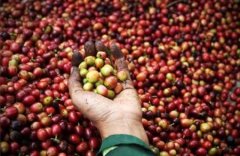
Ethiopian boutique coffee beans introduce the characteristics of Ethiopian coffee Ethiopian coffee mouth
Ethiopia is an agricultural country with a history and tradition of coffee origin. The place where the name coffee comes from is Kafa in the southwest, while the Sidamo place in the south is the main producing area, and Yegashafi is one of the southern producing areas of Sidamo. The Eastern Highland Hara is as famous as the coffee name Hara. Ethiopia is an important coffee producer.

Introduction to the taste characteristics of coffee from Ethiopian or Arabic flavor description
Coffee originates from Ethiopian or Arabian flavor description taste characteristics introduce that Ethiopia grows coffee in different climate zones, so it has more than 140 farm varieties, and fresh coffee is produced all the year round. The quality of Ethiopian coffee varies according to different elevations and regional ecological environment. Harar coffee in the southeast highlands is a typical Muhaka.

A brief introduction to the History and Culture of the Origin and Development of Coffee beans in Harald Moka Manor in Ethiopia
Ethiopia has unique natural conditions suitable for growing all imaginable varieties of coffee. As a highland crop, Ethiopian coffee beans are mainly grown in areas between 1, 100 and 2300 meters above sea level, roughly distributed in southern Ethiopia. Deep soil, well drained soil, weakly acidic soil, laterite and soil are soft and contain

Ethiopian boutique coffee introduced Ethiopian boutique coffee producing area Ethiopian coffee
Across the Red Sea and opposite Yemen, Ethiopia is the first place in the world to find coffee trees in Arabica, where coffee is grown almost everywhere in the country. Among them, the eastern Highland Hara (Harra) produces the famous Haramoka, which has a special wine aroma and acidity, which is equivalent to the Yemeni mocha and is a high-quality coffee. So are Sidamo and Djimmah in the south.

Ethiopian coffee origin coffee flavor
Ethiopia has unique and different flavors, providing customers all over the world with a wide range of taste choices. In the highlands of southwestern Ethiopia, the Kaffa, Sheka, Gera, Limu and Yayu Senri coffee ecosystems are considered to be Arabica coffee.

Description of Flavor of High-quality Coffee beans in Ethiopian Coffee Variety producing area
Ethiopia has a unique flavor that is different from other flavors and provides customers all over the world with a wide range of taste choices. In the highlands of southwestern Ethiopia, the Kaffa, Sheka, Gera, Limu and Yayu Senri coffee ecosystems are considered the hometown of Arabica coffee. this

Introduction of Ethiopian Fine Coffee Flavor characteristics of Ethiopian Coffee
Ethiopia is an agricultural country with a history and tradition of coffee origin. The place where the name coffee comes from is Kafa in the southwest, while the Sidamo place in the south is the main producing area, and Yegashafi is one of the southern producing areas of Sidamo. The Eastern Highland Hara is as famous as the coffee name Hara. Ethiopia is an important coffee producer.

What are the characteristics of Ethiopian coffee beans? introduction to the varieties and prices of Ethiopian coffee
Professional coffee knowledge exchange more coffee bean information please follow the coffee workshop (Wechat official account cafe_style) Ethiopia Coffee Front Street introduction Harar Hara is located in the Eastern Highlands of Ethiopia (Harerge Province) and grows between 5000 and 7000 feet above sea level. It was still wild on the slopes a century ago, and most of the raw beans are medium size and long at both ends, green in color.

Ethiopian Burka Gudina Farm Coffee Introduction Ethiopian Coffee Bean Flavor Features
Professional coffee knowledge exchange More coffee bean information Please pay attention to coffee workshop (Weixin Official Accounts cafe_style) Burka Gudina Farm This coffee comes from Burka Gudina Farm, which is located in Jimma area of western Oromia Highlands in Ethiopia. This farm is located in Limmu Kossa Woreda, the soil is fertile, the coffee trees grow completely in the shade, there is no

Introduction to the taste of coffee beans by describing the characteristics and flavor of coffee beans in Ethiopia
Ethiopian coffee bean flavor description introduces that Ethiopian coffee should be the only pollution-free green organic coffee in the world. Today, Ethiopia still uses traditional planting methods to artificially care for coffee trees, and fertilizers are mainly fallen leaves, withered grass and animal manure, replacing harmful pesticides and herbicides used on a large scale in other coffee-producing countries in the southwestern highlands of Ethiopia. Kafa

Ethiopian Coffee Manor Ted Manor Ethiopian Coffee producing area
Ethiopian coffee beans grow in close to the natural environment, after years of planting under the same growth conditions, Ethiopian coffee beans have gradually adapted to the environment here. More than 60% of coffee beans are grown in forests or semi-forests. Large-scale coffee-growing villages account for about 35% of the country's total coffee production. Many of these are used.

Aromatic Ethiopian coffee estate Flavor Description Variety Features Taste Introduction
Ethiopia's coffee market regulator is the Ethiopian Coffee and Tea Products Authority. There are two auction centers in the country, one in Addis Ababa and the other in Dire Dawa in eastern Ethiopia. Coffee farmers bring fresh fruit either to private coffee processing plants or to cooperative coffee washing stations

Introduction to the flavor and taste of Ethiopian coffee beans grade classification of Ethiopian Sidamo coffee beans
Ethiopia has unique natural conditions suitable for growing all imaginable varieties of coffee. As a upland crop, Ethiopian coffee beans are mainly grown in areas between 1100 and 2300 meters above sea level, roughly distributed in southern Ethiopia. Deep soil, row

Ethiopian Coffee Bean Flavor Manor introduces Ethiopian Coffee Brands
Ethiopian coffee beans grow in close to the natural environment, after years of planting under the same growth conditions, Ethiopian coffee beans have gradually adapted to the environment here. More than 60% of coffee beans are grown in forests or semi-forests. Large-scale coffee-growing villages account for about 35% of the country's total coffee production. Many of these are used.